(Photo by Anna Moneymaker/Getty Images)
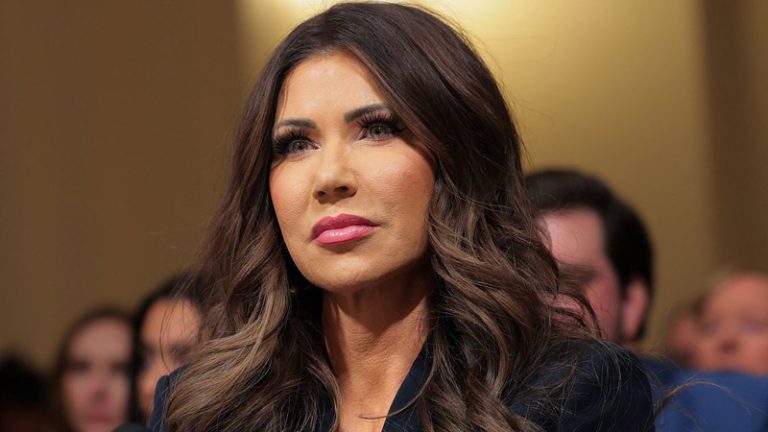
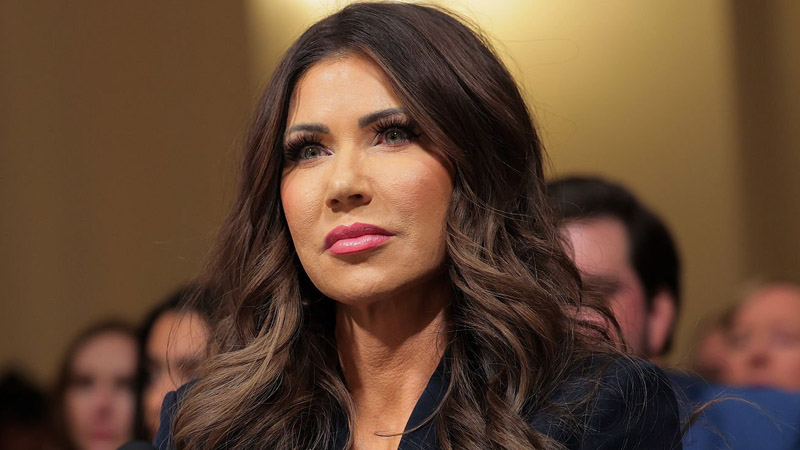
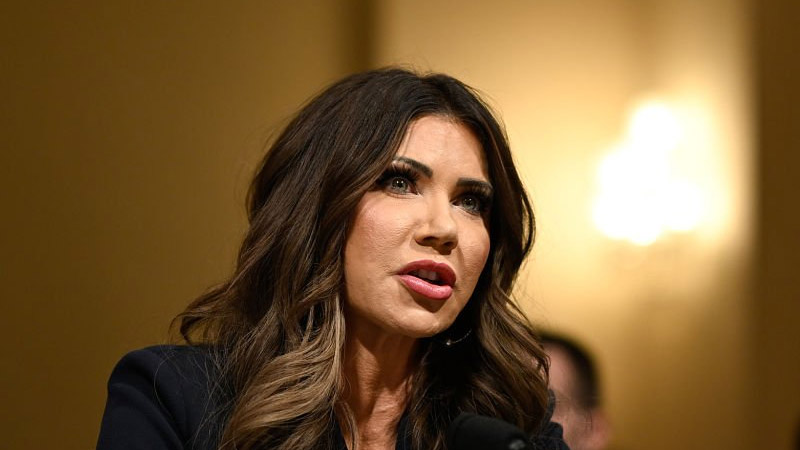
U.S. Department of Homeland Security Secretary Kristi Noem announced Thursday that she is suspending the diversity visa program following the fatal shooting of two students at Brown University, saying the suspected gunman had been admitted to the United States through the program.
Noem shared the decision in a post on X late Thursday, stating that she had directed U.S. Citizenship and Immigration Services to halt the Diversity Visa Program, also known as DV1. She said the pause was necessary “to ensure no more Americans are harmed by this disastrous program.”
The announcement comes after a deadly shooting on December 13 at Brown University in Providence, Rhode Island. Authorities said two students were killed and nine others were injured when a gunman opened fire inside the university’s physics building, sending shockwaves through the campus and the surrounding community.
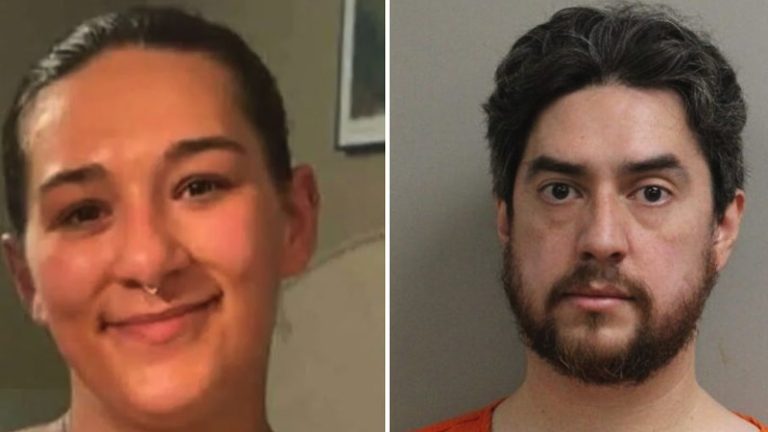
Police later identified the suspect as 48-year-old Claudio Manuel Neves Valente, a Portuguese national. According to Brown University President Christina H. Paxson, Valente was a former student at the university who had been enrolled in a Ph.D. program in physics in 2000, reports CNBC.
Investigators believe the violence extended beyond the Brown campus. Valente is also suspected of the killing of MIT physics professor Nuno Loureiro, who was found dead in his home in Brookline, Massachusetts, two days after the Brown shooting. Authorities have not released details about the motive in either case.
On Thursday, Providence Police Chief Oscar Perez confirmed that Valente had been found dead inside a storage facility in New Hampshire. Following that discovery, federal officials said the immediate danger had ended. “There’s no longer a threat to the public,” the U.S. Attorney’s Office in Boston said in a statement after Valente’s death was confirmed.
In her post, Noem said Valente entered the United States in 2017 through the DV1 program and was granted lawful permanent resident status. She linked the case to long-standing criticism of the diversity visa system, referencing a previous terrorist attack.
“In 2017, President Trump fought to end this program, following the devastating NYC truck ramming by an ISIS terrorist, who entered under the DV1 program, and murdered eight people,” Noem wrote.
The Diversity Immigrant Visa Program is administered by the federal government and allocates up to 50,000 immigrant visas each year, according to U.S. Citizenship and Immigration Services. The program operates as a lottery, randomly selecting applicants from countries with historically low rates of immigration to the United States. Winners are then eligible to apply for immigrant visas and, if approved, permanent residency.
Supporters of the program have long argued that it promotes diversity and offers opportunities to individuals from underrepresented regions. Critics, however, have raised concerns about vetting procedures and national security risks, arguments that have resurfaced following the Brown University shooting, according to the USCIS website.
Noem did not specify how long the suspension would last or whether current visa holders could be affected. The Department of Homeland Security has also not released details on whether the pause will apply retroactively or only to new applicants.
The move is likely to reignite political debate over immigration policy, particularly as lawmakers and federal agencies grapple with balancing security concerns and immigration pathways. For now, DHS officials say the suspension is aimed at reviewing the program and preventing further harm, as investigators continue to piece together the events that led to one of the deadliest incidents in Brown University’s history.