
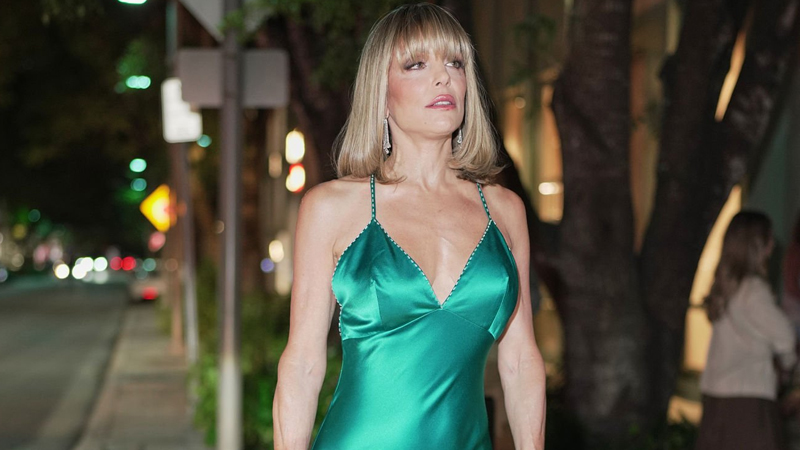
(Photo by 305pics/GC Images)
Bethenny Frankel‘s divorce took more than a decade to resolve, making it one of the most contentious and legally complex celebrity divorces in recent memory. What started as a normal filing in 2013 quickly turned into a full-fledged legal struggle, complete with custody disputes, property skirmishes, harassment charges, and frequent court appearances.
Instead of narrowing issues over time, the case expanded, which is the primary reason it dragged on for so long, according to Us Weekly and the Daily Mail. At the heart of the disagreement was custody of their daughter, Bryn. Custody disputes are often the slowest part of any divorce, but in this case, they were persistent.
Bethenny Frankel and Jason Hoppy were frequently summoned to court for parenting arrangements, communication limitations, and alleged violations of court orders. Judges were forced to intervene frequently, resetting deadlines and extending the entire process.
When parents are unable to collaborate on even the most basic level, custody litigation can persist for years. Bethenny Frankel’s divorce was further delayed by financial and property disputes, adding another layer of difficulty. One of the most obvious issues was their Tribeca property, which caused a financial and emotional crisis.

Frankel said Hoppy refused to leave the house even after they divorced, resulting in more legal filings that kept the case stuck in court. Property conflicts like this are rarely simple when they intersect with custody, since housing arrangements can affect parenting time and child stability. Every unresolved asset dispute kept the divorce from being finalized, notes Us Weekly and People.com.
The situation worsened owing to strong charges of misbehavior. Frankel claimed Hoppy harassed, stalked, and hacked her communications. These claims led to restraining orders and criminal court proceedings alongside family court litigation. Once multiple legal systems are involved at the same time, cases slow dramatically.
Judges must await results, hearings are postponed, and attorneys pursue opposing strategies that impede settlement discussions. Another reason the divorce took so long was that both parties continued to escalate their legal disputes. Instead of resolving issues and moving forward, motions and countermotions continued to pile up. Frankel later described the process as emotionally brutal and financially draining, with legal fees reaching into the millions.
High-conflict divorces often become self-perpetuating because each new dispute creates another reason not to settle. Public attention also played a role. Frankel’s divorce was carefully monitored by the media due to her reputation as a reality TV star and entrepreneur. Headlines, interviews, and public statements raised the stakes, presumably hardening feelings on both sides.
When reputation and public perception are at risk, compromise might feel like a loss, even if it expedites the legal process. The divorce was filed in 2013 but not finalized until 2021. Finally, the length of Bethenny Frankel’s divorce was not just due to legal obstacles. Extreme hatred, unresolved custody difficulties, financial warfare, and recurrent legal escalation transformed a separation into years of ongoing litigation.